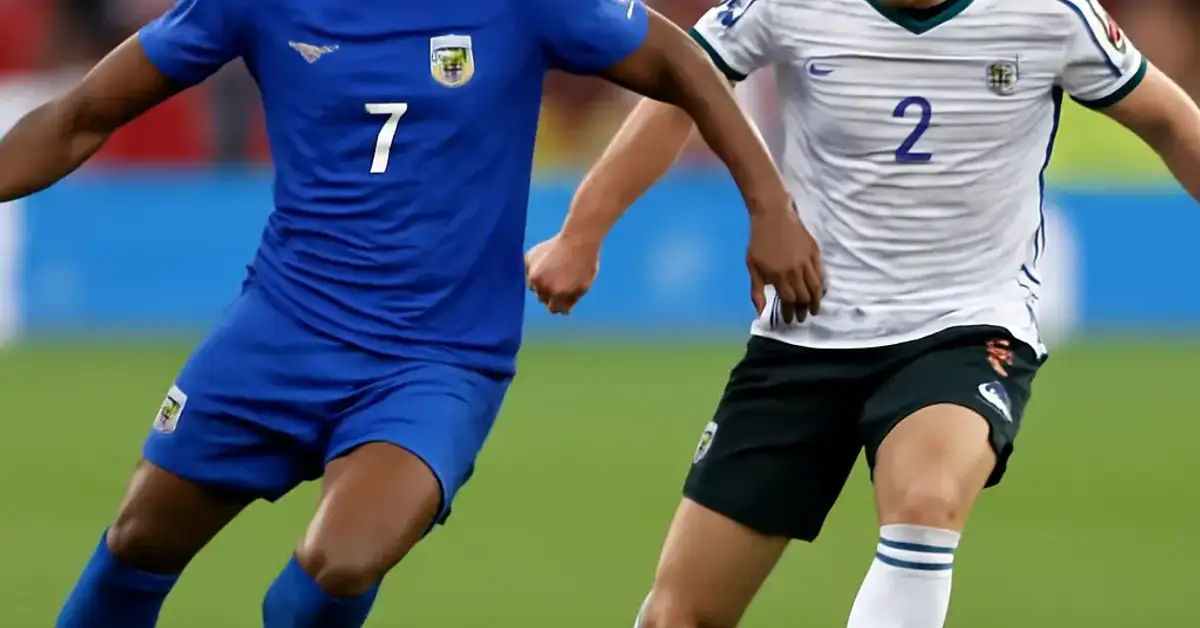
Curacao vs Germany Key Takeaways
The Curacao vs Germany international friendly exposed deep structural and tactical issues for the Caribbean side.
- Curacao’s high defensive line was repeatedly exploited by Germany’s pace and movement, particularly in the first half.
- Missed chances in key moments, including a penalty miss, shifted momentum decisively in Germany’s favor.
- Tactical naivety in midfield transitions allowed Germany to create overloads and score from quick counter-attacks.
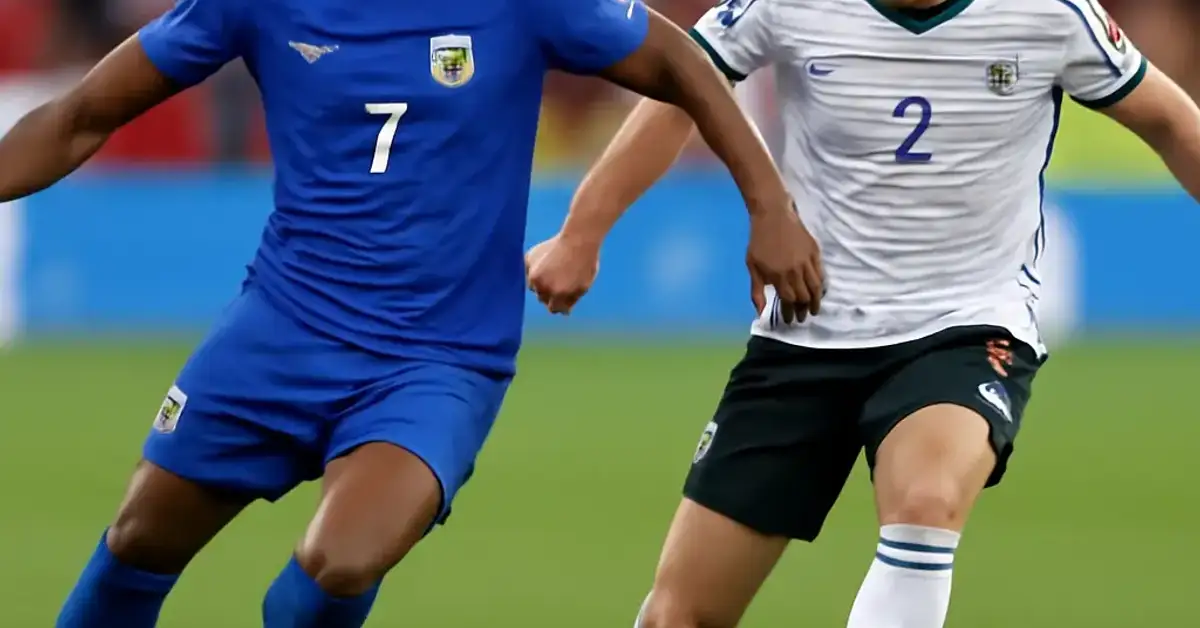
What Went Wrong for Curacao Against Germany: A Tactical Breakdown
When the final whistle blew on the Curacao vs Germany friendly, the scoreline reflected a gulf in class, but the underlying story was far more nuanced. Curacao entered the match with optimism, hoping to test themselves against one of Europe’s elite national teams. However, within the opening 30 minutes, the flaws that would ultimately define their performance became painfully clear. Germany, even in a transitional phase, punished each error with ruthless efficiency.
This comprehensive analysis examines the tactical decisions, individual errors, and systemic issues that led to Curacao’s defeat. It also highlights what the team can take forward to grow as a footballing nation.
First Half: High Line, High Risk, High Punishment
From the first whistle, Curacao attempted to press Germany high up the pitch. While brave in theory, the execution was disjointed. The backline held a dangerously high defensive line without coordinated pressing from the midfield. Germany’s attackers, particularly the wingers, exploited the space behind Curacao’s full-backs with diagonal runs.
Defensive Shape and the First Goal
The opening goal was a textbook example of what went wrong. A simple through ball split the center-backs, who had lost their shape after a failed press. The German attacker timed his run perfectly, rounded the goalkeeper, and slotted home. It was a tactical lapse that Curacao never fully recovered from.
Missed Chance to Equalize
Curacao responded well, creating a clear-cut chance from a set piece. A powerful header forced a sharp save from the German goalkeeper. Minutes later, a quick counter-attack saw a Curacao striker one-on-one with the keeper, but the shot was dragged wide. These missed opportunities shifted the psychological momentum permanently toward Germany. For a related guide, see Mexico vs South Africa: 5 Surprising Missed Moments You Need to Know.
Second Half: Tactical Adjustments and Defensive Collapse
At halftime, Curacao’s coach made a crucial substitution, bringing on an extra central midfielder to close the gaps in transition. However, the adjustment backfired. The new midfielder struggled to adapt to the tempo, leaving Curacao’s defense exposed to quick interchanges around the box.
Germany’s Clinical Execution
Germany’s second goal showcased their superior movement. A quick one-two on the edge of the box left the Curacao defense static, and a low-driven shot found the bottom corner. The third goal came from a defensive error: a misplaced pass in midfield was intercepted, leading to a breakaway finish. By this point, Curacao’s heads had dropped, and the game was effectively over.
Curacao’s Late Push and Penalty Miss
To their credit, Curacao continued to fight. A late penalty was awarded after a handball in the box. The striker stepped up but saw his effort saved by the German goalkeeper. That moment encapsulated the match: close, but not close enough. Germany scored a fourth in stoppage time from a corner, highlighting Curacao’s chronic zonal marking issues.
Tactical Decisions That Cost Curacao the Match
Several specific tactical decisions proved fatal for Curacao. First, the decision to play a high press without compact defensive lines left them vulnerable to through balls. Second, the substitution at halftime, while brave, disrupted the team’s defensive rhythm. Third, Curacao failed to adapt their marking at set pieces, allowing Germany to attack crosses with freedom.
Germany’s strategy was straightforward but effective: exploit the spaces behind the full-backs, overload the midfield in transition, and press Curacao’s ball-playing defenders. Their execution was clinical, but Curacao’s tactical naivety made their job far easier than it should have been.
Lessons for Curacao: What They Can Learn from This Defeat
Despite the heavy loss, the Curacao vs Germany match provides a valuable learning experience for the team. Here are the key takeaways for the coaching staff and players: For a related guide, see Curacao’s Biggest World Cup Moments: 5 Games That Changed History.
- Defensive organization under pressure: Curacao must practice maintaining shape when the press is broken. Drills that simulate quick transitions are essential.
- Finishing under pressure: The missed penalty and one-on-one chance highlight a need for composure in front of goal. Mental resilience training could help.
- Set-piece discipline: Conceding from a corner late in the game shows that concentration must last the full 90 minutes. Zonal marking systems need clarification.
- Transition management: The midfield must learn to screen the defense better when possession is lost. A dedicated defensive midfielder could balance the team.
Frequently Asked Questions About Curacao vs Germany
What was the final score of the Curacao vs Germany match?
Germany won the match 4-0, with goals coming from their attacking players in both halves, plus a late set-piece goal.
Why did Curacao lose so heavily to Germany?
Curacao’s high defensive line was repeatedly exposed by Germany’s pace, and missed chances, including a penalty, prevented them from gaining momentum.
What tactical mistakes did Curacao make in the match?
Key mistakes included a disjointed press, uncoordinated defensive shape, poor midfield transitions, and a failed halftime substitution that disrupted rhythm.
Did Curacao have any chances to score?
Yes, Curacao created several chances, including a one-on-one opportunity and a second-half penalty, but failed to convert any of them.
What was Germany’s strategy in the match?
Germany focused on exploiting the spaces behind Curacao’s full-backs, overloading midfield transitions, and pressing Curacao’s defenders into errors.
How did Curacao’s substitutions affect the game?
The halftime substitution, intended to strengthen midfield, backfired as the new player struggled with the tempo, leaving defensive gaps.
What was the turning point in the Curacao vs Germany match?
The turning point was Germany’s second goal, which came from a quick one-two that Curacao’s defense failed to read, followed by the penalty miss.
How can Curacao improve after this defeat?
Curacao needs to work on defensive organization, finishing under pressure, set-piece discipline, and transition management in training.
Was Curacao’s high press effective against Germany?
No, the press was poorly coordinated, leaving the defense exposed to through balls and diagonal runs behind the full-backs.
What role did set pieces play in the match?
Germany scored their fourth goal from a corner, exploiting Curacao’s zonal marking system that lacked clear responsibilities.
Which German player was most influential?
Germany’s creative midfielder consistently found space between the lines and provided key passes for the first two goals.
How did Curacao’s goalkeeper perform?
The goalkeeper made several good saves but was left exposed by the defense for most of Germany’s goals.
What was the atmosphere like during the match?
The atmosphere was competitive early on, with Curacao showing fight, but shifted toward Germany after the second goal and penalty miss.
How does this result affect Curacao’s FIFA ranking?
While a heavy loss can affect ranking points, friendly matches have a lower coefficient, so the impact is modest compared to competitive fixtures.
What did Curacao’s coach say after the match?
The coach acknowledged the mistakes but praised his team’s effort, emphasizing that the experience would help them grow as a footballing nation.
Were there any injuries during the match?
No major injuries were reported, though Curacao’s left-back was substituted in the second half after a heavy challenge.
How did the referee influence the game?
The referee had a consistent game, awarding Curacao a clear penalty for handball and booking one German player for a tactical foul.
What is the history of Curacao vs Germany encounters?
This was their first-ever meeting, making the result a historical note for both nations in their head-to-head record.
How did German media report on the match?
German media focused on the team’s clinical performance and the growing chemistry among young attacking players, giving credit to Curacao’s effort.
What are Curacao’s next matches after this loss?
Curacao is scheduled to play two more friendlies against CONCACAF opponents, which will be crucial for rebuilding confidence and testing defensive improvements.